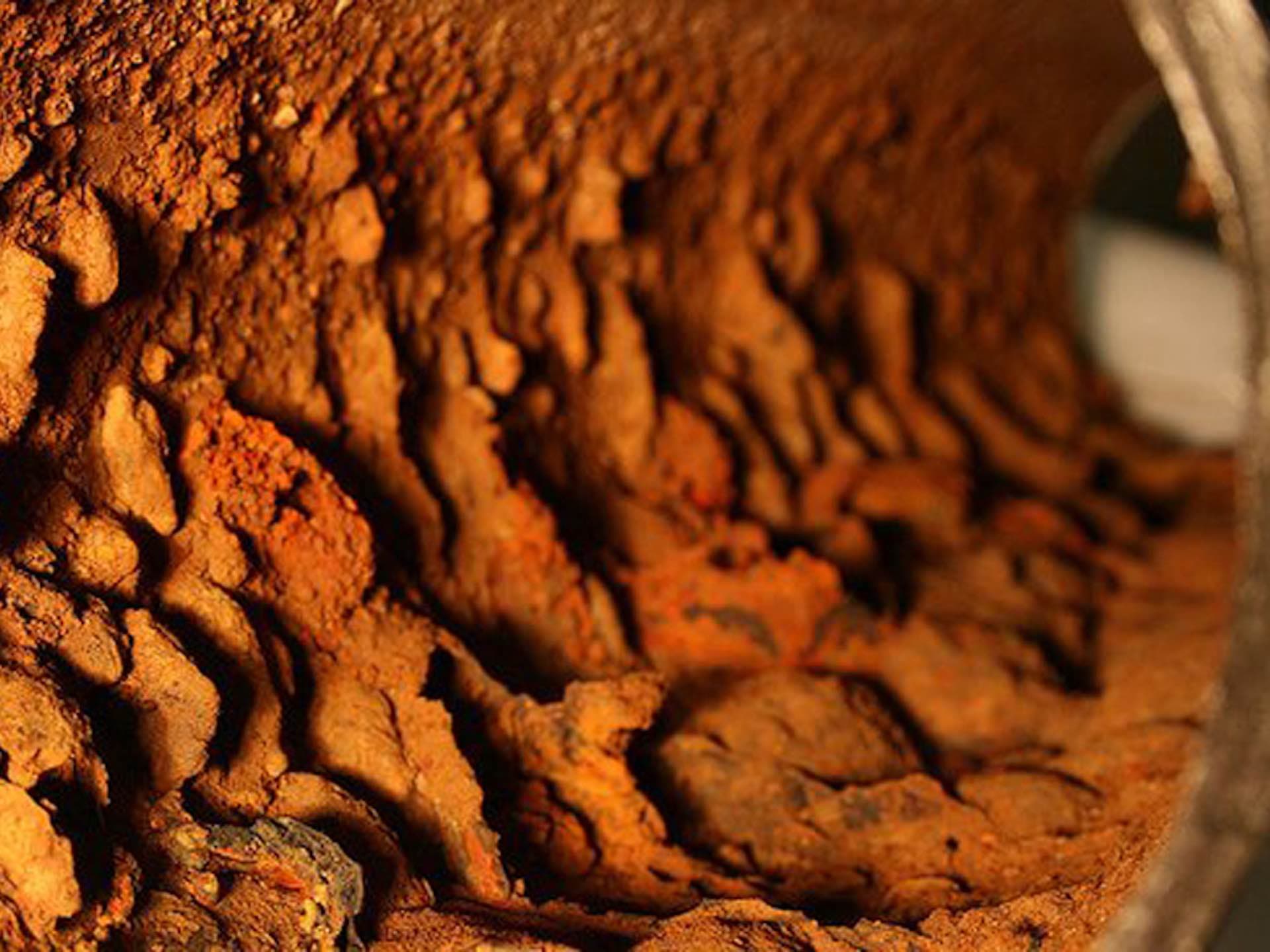
Most maintenance managers understand chemical corrosion. They know acids attack concrete and oxygen corrodes steel. But there's another corrosion mechanism quietly destroying infrastructure across the Pacific Northwest—and it's alive. Microbiologically Induced Corrosion (MIC) uses bacteria to accelerate deterioration at rates that can exceed chemical attack by 10 times or more.
From wastewater treatment plants in King County to oil and gas pipelines in Alaska, from pulp mills in Longview to cooling water systems in Portland manufacturing facilities, MIC is silently eating away at concrete and metal structures. By the time visible damage appears, the problem has often progressed far beyond simple repair.
Understanding MIC—and protecting against it—requires recognizing that you're not just fighting chemistry. You're fighting biology.
How Bacteria Destroy Infrastructure
MIC isn't a single process. It's a collection of mechanisms where microorganisms create corrosive conditions that wouldn't otherwise exist. The most destructive forms involve sulfur-cycling bacteria:
Sulfate-Reducing Bacteria (SRB) thrive in oxygen-depleted environments—inside pipelines, under deposits, within biofilms. These anaerobic bacteria consume sulfate and produce hydrogen sulfide (H₂S) as a metabolic byproduct. The H₂S attacks steel directly, causing pitting and cracking. In wastewater systems, it also escapes into the headspace above the water line.
Sulfur-Oxidizing Bacteria (SOB) complete the destruction cycle. These aerobic bacteria colonize concrete and metal surfaces above the waterline, where they convert H₂S gas into sulfuric acid—sometimes at concentrations exceeding battery acid. The acid dissolves concrete calcium compounds, turning solid structural material into calcium sulfate paste that washes away with each rain or cleaning cycle.
Iron-Oxidizing and Iron-Reducing Bacteria attack steel and cast iron directly. They accelerate galvanic corrosion, create oxygen concentration cells under biofilms, and produce acidic metabolic byproducts that pit metal surfaces.
The bacteria don't work alone. They form complex biofilm communities that protect each other from treatment chemicals and create localized environments far more aggressive than the surrounding conditions suggest. A wastewater channel with neutral pH bulk water can have pH 1-2 conditions directly under the biofilm attacking the concrete crown.
Pro tip
MIC damage often appears as localized pitting rather than uniform corrosion. If you're seeing rapid, focused deterioration in specific areas while adjacent surfaces remain sound, suspect biological involvement. Swab testing can confirm bacterial presence.
Industries at Risk in the Pacific Northwest
MIC affects any environment where bacteria find suitable conditions—moisture, nutrients, and the right temperature range. In the PNW, several industries face particular exposure:
Wastewater Treatment sees the most dramatic MIC damage. The combination of organic nutrients, warm temperatures, and sulfate-rich water creates ideal conditions for sulfur-cycling bacteria. Concrete deterioration rates of 1/4 inch per year are common in untreated headworks and collection systems. Washington and Oregon utilities spend millions annually on MIC-related repairs.
Pulp and Paper Mills concentrate the problem. White water systems, effluent channels, and recovery areas all provide nutrients that feed bacterial growth. The warm, wet conditions inside mills accelerate colonization. Several PNW mills have experienced structural concrete failures traced to uncontrolled MIC.
Oil and Gas Operations face MIC in pipelines, storage tanks, and produced water systems. Alaska's North Slope operations have documented severe MIC in injection water systems. The bacteria thrive in the nutrient-rich produced water and attack carbon steel from the inside out—often without external warning until leaks develop.
Cooling Water Systems provide another common MIC environment. The warm, aerated water in cooling towers supports diverse bacterial populations. Without proper treatment, biofilms colonize heat exchanger surfaces, basin concrete, and distribution piping.
Marine Structures including docks, piers, and vessel hulls face MIC in the biologically active waters of Puget Sound and Alaska coastal areas. The combination of marine bacteria and brackish water conditions accelerates attack on both concrete and steel.
Why Traditional Treatments Fall Short
Conventional MIC management relies on biocides—chemical treatments designed to kill bacteria. While biocides have a role in MIC control, they face significant limitations:
Biofilm protection shields bacteria from chemical attack. The extracellular matrix that bacteria produce can reduce biocide effectiveness by 1,000 times or more. Killing surface bacteria leaves protected colonies underneath to repopulate.
Continuous treatment is required because bacteria reproduce rapidly. Stop the biocide program, and populations recover within days. This creates ongoing chemical costs and environmental discharge concerns.
Resistant strains develop over time. Bacteria adapt to repeated biocide exposure, requiring escalating concentrations or alternative chemistries.
Existing damage isn't addressed. Biocides may slow ongoing attack, but they don't repair concrete that's already been converted toite calcium sulfite or steel that's already pitted through.
For facilities with active MIC damage, killing the bacteria is only the first step. The degraded surfaces must be restored, and—critically—a physical barrier must prevent recolonization. "Guys will spend six figures a year on biocide programs and still call us when concrete starts falling off the walls. Killing bacteria doesn't undo the damage they already did. You've got to restore the surface and then lock them out — that's where the coating becomes the real fix", says Scott Taylor, Belzona Technology Northwest technical consultant for Western Washington.
Protective Coating Solutions
Barrier coatings address MIC by creating a physical separation between bacteria and the substrate they attack. Unlike biocides that require continuous application, a properly applied coating provides years of protection with minimal maintenance.
For concrete protection in wastewater and industrial environments, Belzona 4311 (Magma CR1) provides chemical resistance against the sulfuric acid that sulfur-oxidizing bacteria produce. This coating system handles pH extremes from highly acidic to highly alkaline, protecting concrete surfaces even when bacterial colonies establish on the coating surface—the acid they produce attacks the coating rather than the concrete underneath.
For severe chemical exposure, Belzona 4341 (Magma CR2) offers enhanced resistance to concentrated acids and elevated temperatures. Wastewater headworks and pulp mill effluent channels often require this level of protection.
For steel and metal surfaces, Belzona 5811 (Immersion Grade) creates an impermeable barrier against MIC in submerged and buried service. Pipeline interiors, tank bottoms, and wet well steel components benefit from this immersion-rated protection.
Where MIC has already caused material loss, Belzona 1111 (Super Metal) rebuilds corroded steel surfaces before coating. Pitted pipe walls, eroded pump housings, and damaged valve bodies can be restored to original profiles—then protected against future attack.
PRODUCT HIGHLIGHT:
Belzona 4311 (Magma CR1) resists sulfuric acid concentrations that would destroy unprotected concrete within months. The coating bonds directly to properly prepared concrete and provides a seamless barrier that bacteria cannot penetrate. It's the go-to solution for wastewater facilities facing crown corrosion from H₂S/SOB attack.
Application Considerations
Successful MIC protection requires addressing existing damage before coating:
Remove deteriorated material completely. Concrete affected by MIC has lost its calcium compounds and structural integrity. Coating over damaged concrete leads to coating failure when the weak substrate crumbles. Sound concrete should "ring" when struck; MIC-damaged concrete sounds dull and may be powdery.
Neutralize residual acid in the substrate. Concrete attacked by sulfuric acid retains acidic compounds that can interfere with coating adhesion. Washing and pH testing confirms neutralization before coating application.
Eliminate moisture to the extent practical. While some Belzona products tolerate damp conditions, standing water and active seepage must be addressed. For continuously wet environments, hydraulic cement or water-stop compounds may be needed before coating.
Plan for cure time before bacterial recolonization. Coatings need 24-72 hours to cure depending on temperature. In active MIC environments, this window matters—you're racing against bacterial regrowth.
Long-Term Protection Economics
The cost comparison between repeated MIC repairs and protective coatings strongly favors prevention:
A 6-inch concrete wall losing 1/4 inch per year to MIC attack reaches structural concern within a decade. Repeated patch repairs—which themselves are subject to MIC attack at the patch boundaries—cost $50-100 per square foot per cycle. A protective coating system at $25-40 per square foot, lasting 15-20 years, represents 70-80% lifecycle cost reduction.
For steel piping and equipment, the economics are even more compelling. MIC-induced pipeline failures in oil and gas operations can cost millions in cleanup, lost production, and regulatory penalties. Coating costs are trivial by comparison.
Ready to address MIC at your facility? Contact us at (425) 610-4902 or describe your situation through our contact form. We provide MIC assessments and protective coating solutions throughout Washington, Oregon, Alaska, and Northern Idaho.