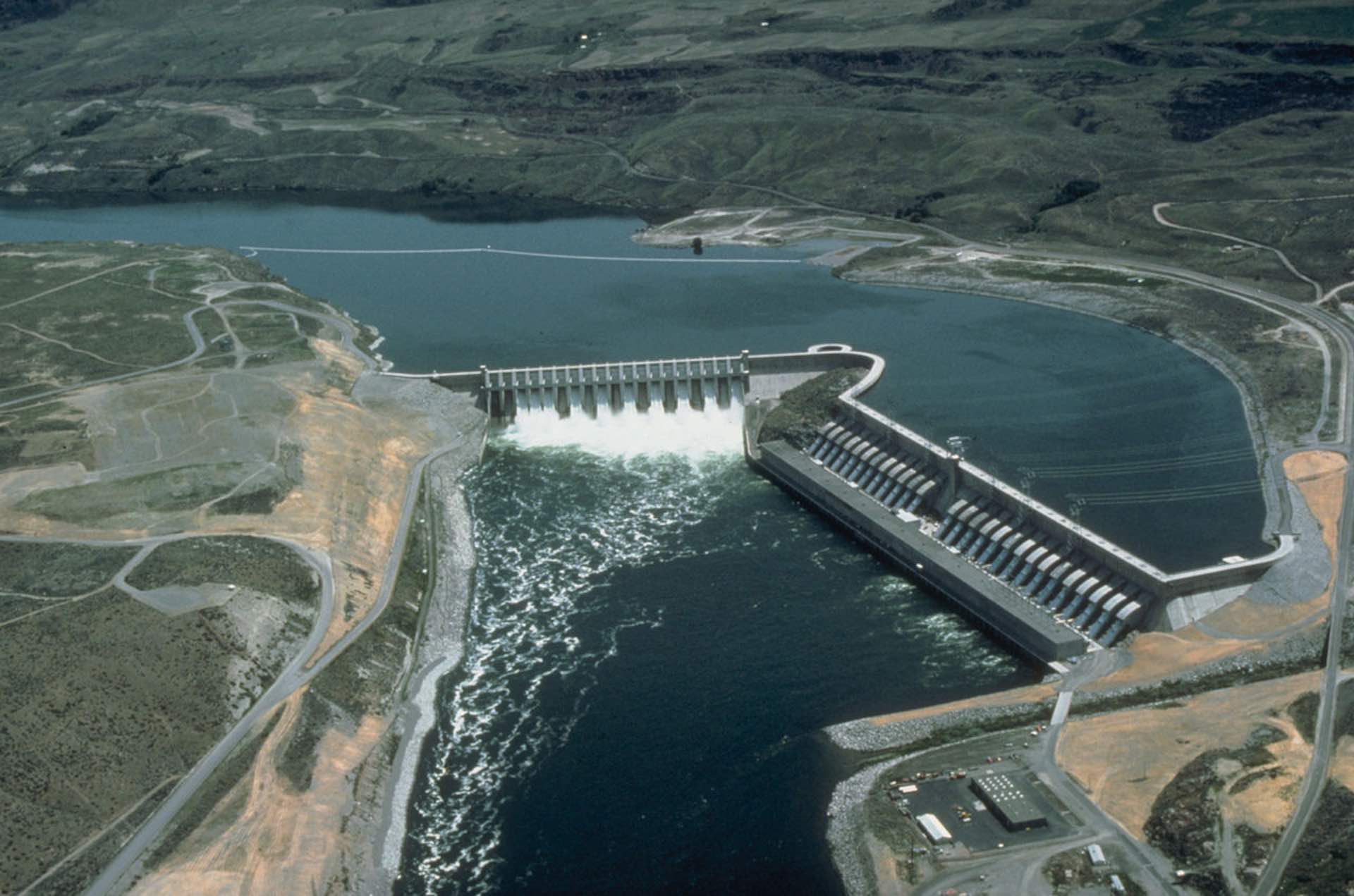
Intake structures are the gatekeepers of Pacific Northwest hydropower. These submerged steel and concrete systems channel millions of gallons daily through Washington and Oregon dams—and they never get a break from corrosion. Constant immersion, seasonal debris loads, and aggressive water chemistry attack every surface around the clock.
Traditional dam maintenance approaches require dewatering, cofferdams, or extended outages that can cost hundreds of thousands of dollars before any repair work begins. But immersion-grade coating systems now allow facilities to protect—and restore—intake structures with significantly less downtime and disruption.
Why Intake Structures Fail
Intake structure corrosion on Columbia River and Snake River dams isn't a question of if—it's a question of how fast. Several factors accelerate deterioration:
Constant immersion keeps steel surfaces saturated. Unlike atmospheric corrosion that slows when surfaces dry, submerged metal corrodes continuously. Oxygen dissolved in water drives electrochemical reactions 24/7.
Velocity effects create erosion-corrosion at high-flow areas. Water moving at 10+ feet per second strips away protective oxide layers and any coatings not specifically designed for immersion service.
Debris impact from logs, ice, and sediment damages coatings and creates initiation points for corrosion. Pacific Northwest rivers carry significant debris loads during spring runoff.
Galvanic cells form where dissimilar metals meet—steel trash racks against concrete anchors, bronze fittings against carbon steel frames. These junctions accelerate localized corrosion dramatically.
Concrete deterioration exposes rebar and compromises structural integrity. Freeze-thaw cycles, chemical attack, and abrasion all contribute to concrete breakdown in intake structures.
The Problem with Traditional Approaches
Conventional intake structure repair typically requires dewatering—either draining the reservoir section or installing cofferdams to create a dry work environment. For major Columbia River facilities, this can mean:
• Lost generation revenue of $50,000-200,000+ per day
• Cofferdam installation costs exceeding $500,000
• Extended outages disrupting fish passage schedules
• Coordination challenges with BPA and regional utilities
• Environmental permitting delays
Even when dewatering is feasible, conventional coatings often require extended cure times, leaving structures vulnerable during the transition back to service.
Immersion-Grade Coating Solutions
Modern epoxy coating systems designed specifically for immersion service change the economics of intake structure protection. These materials bond to properly prepared surfaces and cure even in high-humidity environments, dramatically reducing outage requirements.
For steel protection: Belzona 5811 (Immersion Grade) provides a two-coat barrier system rated for permanent freshwater immersion. The solvent-free epoxy bonds directly to blasted steel and builds to 500+ microns in two applications. It resists the continuous water exposure that destroys conventional paints within months.
For concrete rehabilitation: Belzona 5831 (ST-Barrier) seals and protects deteriorated concrete surfaces. This immersion-rated coating bridges cracks up to 1mm and creates a seamless barrier against further water ingress. It's particularly effective for intake channel walls and floors where concrete spalling exposes aggregate.
For metal loss repair: Belzona 1111 (Super Metal) rebuilds corroded steel before coating. Pitted trash racks, eroded guide rails, and damaged gate frames can be restored to original profiles—or reinforced beyond original thickness—without welding or hot work permits.
Pro tip
Schedule intake structure coating during planned low-water periods. Many Pacific Northwest reservoirs draw down annually for maintenance windows—coordinate coating work with these existing outages to minimize additional generation losses.
Application Considerations
Successful intake structure coating requires attention to surface preparation and environmental conditions:
Surface preparation remains critical. Steel surfaces require SSPC-SP10 near-white blast with 75-100 micron profile. Concrete needs to be sound, clean, and free of laitance. Damaged concrete should be removed to solid substrate before coating.
Temperature management affects cure times. Pacific Northwest facilities often work in 40-60°F conditions. Belzona immersion coatings cure at these temperatures, though extended cure times may be required before re-immersion. Plan for 24-72 hours depending on conditions.
Moisture tolerance varies by product. While these coatings handle humid conditions better than conventional systems, standing water must be removed from surfaces before application. Damp concrete is acceptable for 5831; steel must be dry for 5811.
Long-Term Protection Strategy
The most cost-effective approach combines proactive coating of new or recently rehabilitated structures with targeted repair of active corrosion sites:
1. Inspect annually during low-water windows. Document coating condition, corrosion progression, and debris damage.
2. Address spot repairs immediately before corrosion spreads. A 6-inch repair costs a fraction of recoating an entire trash rack.
3. Budget for full recoating on 15-20 year cycles for immersion-grade systems—significantly longer than conventional coatings that may fail in 3-5 years.
4. Consider redundancy at critical wear points. High-velocity areas and debris impact zones may warrant additional coating thickness or supplemental protection.
For Washington and Oregon hydroelectric facilities, protecting intake structures isn't optional—it's essential to reliable generation and regulatory compliance. Modern immersion-grade coatings make that protection achievable without the massive outages traditional approaches require.