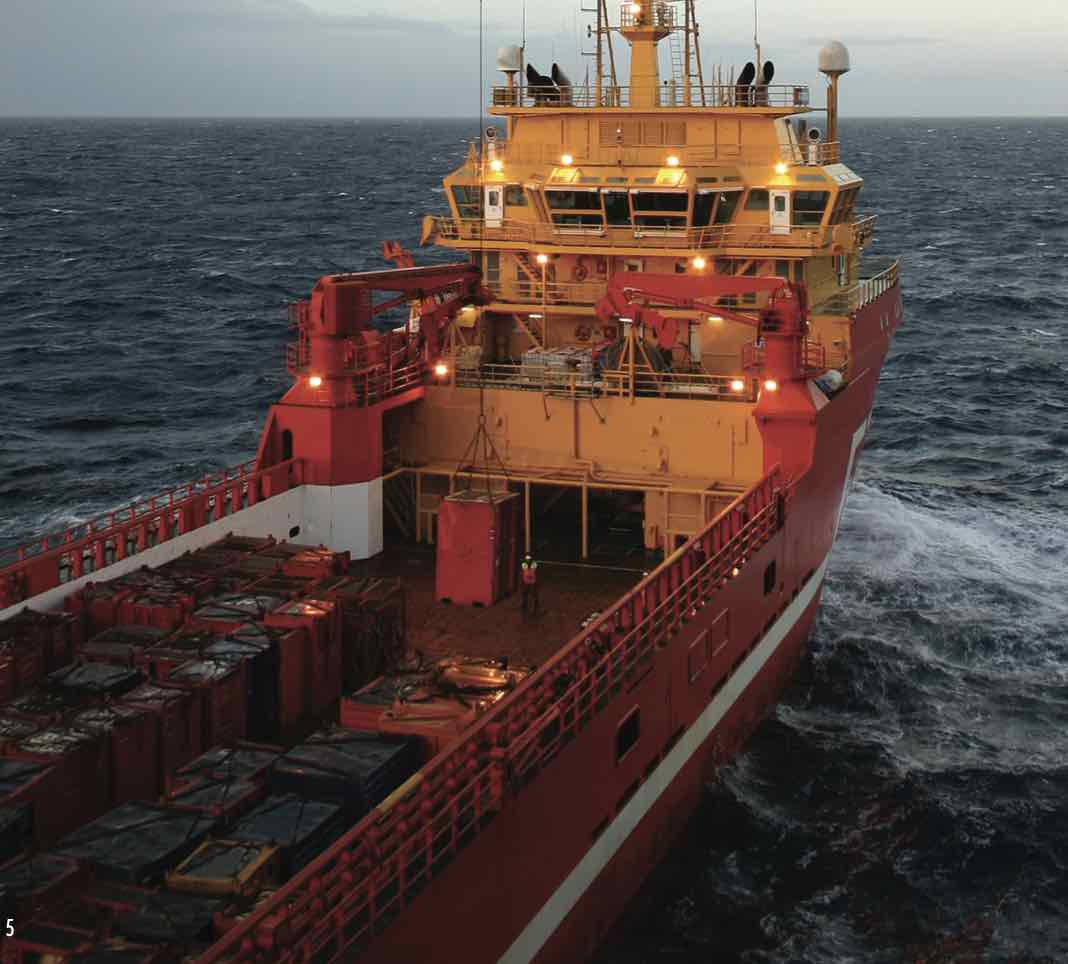
When hull damage happens 200 miles from the nearest shipyard in Alaska waters, you have two choices: make a repair that holds, or call for an expensive—and potentially dangerous—tow. Emergency hull repair isn't about pretty work. It's about getting the vessel safely to port.
Alaska's commercial fishing fleet and workboat operators face this reality every season. Deadhead logs, ice, rocky approaches, and dock impacts all take their toll. The right emergency repair materials—and knowing how to use them—can mean the difference between completing a trip and losing a season.
Why Traditional Repairs Fail in the Field
Most adhesives, sealants, and patches share a critical limitation: they need dry surfaces to bond. That's a problem when you're dealing with:
• Active leaks that keep the repair area wet
• Below-waterline damage you can't fully expose
• Rain, spray, and condensation in Alaska's climate
• Cold temperatures that slow or prevent conventional cures
• Limited time before conditions deteriorate further
Fiberglass mat and polyester resin? Won't cure properly on wet surfaces or in cold weather. Marine epoxy putties? Most require dry substrate and warm temperatures. Emergency hull tape? Temporary at best, fails under pressure or flexing.
Commercial vessels need repair materials engineered for the conditions they'll actually face—not laboratory ideals.
Wet-Surface and Underwater Bonding Solutions
A specific class of epoxy composites is formulated to displace water and bond to wet—even submerged—surfaces. These aren't consumer-grade products; they're industrial repair materials used by shipyards, the Navy, and commercial fleets worldwide.
Belzona 1161 (Super UW-Metal) is specifically designed for underwater application. This two-component epoxy bonds to steel, aluminum, fiberglass, and other substrates while fully submerged. For below-waterline damage that can't be exposed, 1161 allows repair without drydocking.
Belzona 1212 (Repair Putty) bonds to wet surfaces and cures in damp conditions—ideal for emergency repairs above waterline where surfaces can't be fully dried. It's hand-mixable with no special equipment required, sets in 3-4 hours at 60°F, and machines if needed.
SuperWrap II composite wrap system provides structural reinforcement for pipe and hull damage. The water-activated polyurethane resin actually uses moisture to cure, making it ideal for wet conditions. It conforms to complex shapes and provides burst-strength reinforcement within hours.
WARNING:
Emergency repairs are temporary measures to reach safe harbor. All field repairs should be inspected and properly addressed by qualified marine repair facilities as soon as practical. Document all emergency repairs for classification society reporting if required.
Emergency Repair Procedures
For active leaks (above waterline):
1. Control water ingress as much as possible—pumps, plugs, or heel the vessel to raise the damage
2. Remove loose material, marine growth, and scale from the repair area
3. Roughen the surface aggressively with a grinder, rasp, or coarse sandpaper—even on wet surfaces
4. Mix Belzona 1212 and apply firmly, pressing into the damage to displace water
5. Build thickness as needed—1212 can be applied up to 25mm (1 inch) per application
6. Allow minimum 6 hours cure before stressing the repair; longer in cold conditions
For underwater damage:
7. Assess whether the repair can be safely performed by crew (depth, visibility, conditions)
8. Prepare surface underwater using scrapers or wire brushes to remove growth and loose material
9. Mix Belzona 1161 on deck (it has extended working time)
10. Apply underwater, pressing firmly into damage—the material displaces water during application
11. For larger holes, back with plate or mesh before filling
12. Allow 24 hours cure at 60°F; longer in colder Alaska waters
Pro tip
Pre-position emergency repair kits on vessels operating remote Alaska waters. A kit containing Belzona 1212, 1161, and basic application tools weighs under 20 pounds and can save a vessel owner a lot of heartache.
What to Carry on Board
A practical emergency hull repair kit for Alaska commercial vessels should include:
• Belzona 1212 (1 kg kit minimum) for above-waterline wet surface repairs
• Belzona 1161 (1 kg kit) for underwater repairs
• SuperWrap II (2-4 inch width) for pipe and structural reinforcement
• Angle grinder with flap disc and wire wheel
• Mixing sticks and application tools (stiff putty knives)
• Nitrile gloves (multiple pairs)
• Steel backing plates (assorted small sizes)
• Self-tapping screws for securing backing plates
Store materials in a sealed container in a stable-temperature location. Extreme cold doesn't damage uncured Belzona products, but they should be warmed to 50°F+ before mixing for best results.
When Emergency Repair Isn't Enough
Know the limits. Emergency repairs can address:
• Small punctures and cracks
• Corrosion holes
• Damaged through-hulls and fittings
• Seam and weld failures
They cannot address major structural damage, large breaches, or damage to critical systems. If in doubt, call the Coast Guard and prepare for tow or rescue. No cargo or catch is worth a crew.
Need to outfit your fleet with emergency repair kits? Contact BTNW at (425) 610-4902. We supply commercial fishing vessels, tenders, and workboats throughout Alaska, Washington, and Oregon with the materials and training to handle emergency repairs in the field.